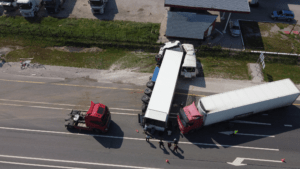
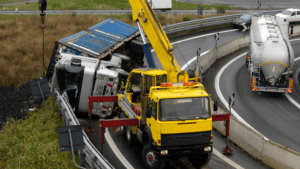
The moments after a truck crash feel chaotic, and most people are focused on injuries, the police, and getting home safely. Meanwhile, the single most powerful piece of evidence in the case sits quietly inside the truck, recording everything. Every experienced Bridgeport truck accident lawyer knows that the data stored in a commercial truck’s electronic systems often decides whether a claim succeeds, and that data can vanish within days of the crash.
If you were hurt by a large truck, understanding what that hidden data contains, why it disappears so fast, and how a lawyer protects it could shape your entire recovery. Here is what the professionals know that most victims never hear.
The Black Box Is Recording More Than You Realize
People hear “black box” and picture an airplane. Commercial trucks carry their own version, and in many ways, it captures even more useful information. Two systems matter most. The event data recorder logs what happened in the seconds surrounding a crash, including vehicle speed, brake application, throttle position, steering input, and whether the driver wore a seatbelt. The engine control module, the truck’s onboard computer, tracks longer patterns like average speeds, hard braking events, idle time, and engine performance over days and weeks.
Put together, these systems paint a precise picture of how the truck was driven. They reveal whether the driver hit the brakes too late, whether the rig was speeding, and whether warning signs of trouble appeared long before impact. A driver might insist he slowed down and did everything right, but the data tells the real story, and it does not forget under pressure.
This kind of objective evidence carries enormous weight with insurers and juries. Witness memories fade and conflict, but a recorded speed reading does not change its mind. That reliability is exactly why this data becomes the backbone of so many strong claims, and exactly why trucking companies would often prefer it never sees the light of day.
100% FREE first consultation. No obligation. Completely confidential.
CONTACT US TODAYWhy This Evidence Disappears Faster Than You Think
Here is the part that catches injured people off guard. Black box data is not permanent. It can be overwritten, erased, or simply lost, often within a very short window after the crash.
Several things put the evidence at risk. Trucking companies frequently recover the vehicle quickly and bring it back to their own facility or repair shop. Once they control the truck, they control the data. Routine use can overwrite older records as the engine control module loops back and records over earlier information. Repairs, part replacements, and even a full system reset can wipe the relevant files entirely. In some cases, the data simply ages out of the system before anyone thinks to preserve it.
None of this means foul play is automatic, but the practical result is the same. If no one moves quickly to secure the evidence, it may be gone before a lawsuit even begins. That is why the first hours and days after a crash matter so much, and why knowing the right immediate steps protects your future. The guidance Ventura Law offers on what to do after a truck accident helps victims avoid the early mistakes that quietly weaken a case.
100% FREE first consultation. No obligation. Completely confidential.
CONTACT US TODAYThe Legal Tool That Locks the Data Down
So how does a lawyer stop critical evidence from disappearing? The answer is a letter with real legal teeth, called a spoliation letter, also known as an evidence preservation letter.
Once a Bridgeport truck accident lawyer sends this letter to the trucking company and its insurer, the company has a legal duty to preserve the truck, the black box data, driver logs, and other related records. If the company destroys or alters that evidence after receiving the letter, a court can impose serious penalties, sometimes instructing a jury to assume the destroyed evidence would have hurt the company’s defense. That possibility gives the company a powerful reason to cooperate.
Speed is everything here. The sooner the letter goes out, the better the odds that the data still exists. This is one of the biggest reasons injured people benefit from calling a lawyer early rather than waiting, a point Ventura Law explains in its overview of why you may need a lawyer after a truck accident. Trying to request this evidence on your own, without legal authority behind the request, rarely produces results in time.
How Black Box Data Proves Fault
Securing the data is only the first step. The real value comes from what it proves. In practice, this evidence connects directly to the questions that decide a case.
It can confirm the truck was traveling above the speed limit at impact. It can show the driver waited too long to brake or never braked at all. Combined with hours of service records, which the federal government requires drivers to keep, it can reveal a driver who pushed past the legal limits and got behind the wheel exhausted. The Federal Motor Carrier Safety Administration’s hours of service rules cap how long a driver may operate before resting, and electronic logs paired with engine data can expose violations that point straight to fatigue.
This data also corroborates other evidence. When a witness says the truck blew through a light and the engine data confirms the speed and the absence of braking, the two pieces reinforce each other and become very hard for the defense to dismiss. Building that web of proof is at the heart of how lawyers establish liability, something Ventura Law breaks down further in its resource on proving truck driver negligence.
Common Mistakes That Cost Victims This Evidence
Even people who do everything else right often lose access to black box data through a few avoidable missteps. Understanding them helps you protect your case from the start.
The first mistake is waiting. Many injured people assume they have plenty of time to think about a lawyer, not realizing that the evidence window is measured in days. By the time they decide to act, the truck has been repaired, and the data is gone. The second mistake is trusting the trucking company to preserve evidence on its own. Companies have no obligation to volunteer information that could hurt them, and without a legal demand, they rarely do. The third mistake is assuming the police report captures everything. Officers document the scene and gather statements, but they do not extract and analyze engine data, and a crash report alone rarely tells the full technical story of what the truck was doing.
Avoiding these mistakes comes down to one thing: getting knowledgeable help quickly so the right demands reach the right people before the evidence slips away.
What This Means for Your Case
If you take one thing from this, let it be this. The clock starts ticking the moment the crash happens. Every day that passes raises the risk that the evidence most likely to prove your case quietly disappears. You do not need to understand the technology yourself. You need someone who can act fast on your behalf.
A skilled lawyer knows how to send the preservation letter immediately, how to bring in specialists to extract and read the data correctly, and how to translate raw numbers into a clear story of what went wrong. That combination often makes the difference between a claim the insurer fights and a claim the insurer respects.
Conclusion
Black box evidence frequently becomes the foundation of a successful truck accident claim, but only when someone moves quickly to protect it before it disappears. A knowledgeable Bridgeport truck accident lawyer understands exactly what that data holds, how fast it can vanish, and how to lock it down so it works in your favor. The sooner you reach out, the stronger your position.
If a truck crash has turned your life upside down, you do not have to face the trucking company and its insurers alone. Ventura Law represents truck accident victims across Bridgeport and throughout Connecticut, taking on major carriers and their insurers with decades of trial experience behind every case. The firm moves fast to preserve critical evidence, builds claims that hold up under scrutiny, and treats every client with genuine care and respect. You can review the firm’s track record of results on its verdicts and settlements page, and when you are ready, contact Ventura Law for a free, no-obligation consultation. To learn more about how the firm handles these cases, visit its truck accident lawyer page.
Frequently Asked Questions
How long does a trucking company have to keep black box data after a crash?
There is no single guaranteed timeframe, and that is exactly the problem. Some data can be overwritten or lost within days through normal use or repairs. Once a preservation letter is sent, the company has a legal duty to retain it, which is why acting quickly matters so much.
Can I get the black box data myself, or do I need a lawyer?
In most cases, you will struggle to obtain it on your own because the trucking company controls the vehicle and has little incentive to hand over evidence that could hurt them. A lawyer can compel preservation and use legal tools to access the data properly.
What information does a truck’s event data recorder actually store?
It typically captures speed, braking, throttle position, steering input, and seatbelt use in the seconds around a crash. The engine control module can also store longer patterns, such as hard braking events and hours of operation.
Who owns the black box data in a commercial truck accident?
The trucking company generally owns the truck and its onboard systems, which is part of why preserving and accessing the data requires legal action rather than a simple request.
How much does a Bridgeport truck accident lawyer cost?
Most truck accident attorneys, including Ventura Law, work on a contingency fee basis. That means you pay no upfront legal fees and owe nothing unless the firm recovers compensation for you.

Valerie B. Calistro is the Managing Partner at Ventura Law, bringing more than three decades of legal experience in civil litigation, personal injury law, and international trade matters. She has represented thousands of clients in state and federal courts across Connecticut and New York, earning a reputation as a skilled advocate and trusted legal professional.
Valerie is committed to helping individuals and businesses navigate complex legal challenges while delivering exceptional client-focused representation. She is admitted to practice in New York, Connecticut, and multiple federal courts, and is recognized for her leadership, courtroom expertise, and dedication to justice.