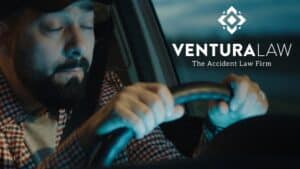
In the hours after a car accident in Bridgeport, everything feels slightly unreal. Your vehicle is crumpled at the curb or loaded onto a tow truck. Your neck aches, your head feels foggy, and you cannot quite tell which pains are temporary and which ones may linger. Then the phone starts ringing. Insurance adjusters often reach out quickly, sometimes before you have seen a doctor or fully understood what happened.
There is also a quieter fear that many people do not say out loud. What if they turn this into being my fault? If the other driver sounds confident or is already describing the crash in a way that favors them, it can feel like the story is slipping out of your hands. Early statements, even casual ones, can shape how a claim unfolds.
A Bridgeport Car Accident Lawyer brings practical clarity to this moment. The process is not about dramatic courtroom speeches or exaggerated claims. It is about gathering evidence before it disappears, documenting the true impact of your injuries, and presenting a claim that is supported by facts rather than emotion. When done carefully, this approach protects both your health and your financial stability.
WhatDoes Fault Mean in a Connecticut Car Accident Claim
In Connecticut, fault is about responsibility. A driver is considered at fault when they fail to use reasonable care under the circumstances and that failure causes harm. This concept, known as negligence, applies to everyday driving behavior. Running a red light, following too closely, texting while driving, or failing to yield at an intersection can all qualify as negligent actions if they lead to a collision.
A Bridgeport Car Accident Lawyer does not rely on opinions or assumptions to establish fault. Instead, the focus is on evidence. Each case depends on its specific facts, the available documentation, and how clearly those facts show that one driver breached their duty of care.
Common Bridgeport Scenarios Where Liability Is Disputed
Rear-end collisions are often assumed to be straightforward, yet disputes arise when the rear driver argues that the vehicle ahead stopped suddenly. Intersection crashes are another common source of disagreement, particularly when both drivers claim they had the green light or right of way. Lane change and merge accidents frequently involve conflicting accounts, with each side insisting the other drifted into their lane.
In each of these scenarios, a truck Accident Lawyer looks beyond the initial statements and examines what the evidence reveals about timing, positioning, and driver conduct.
Why Early Narratives Matter
The first statements made to police or insurance representatives can become anchors in a claim. If a driver speculates about speed or apologizes reflexively, that comment may be recorded and later interpreted as an admission. Calm, accurate facts are far safer than rushed conclusions. Careful communication protects the integrity of your case from the outset.
100% FREE first consultation. No obligation. Completely confidential.
CONTACT US TODAYThe First 72 Hours: Preserving Evidence Before It Fades
Immediate Legal Steps
The early window after a crash is critical. A Bridgeport Car Accident Lawyer may begin by obtaining the crash report and reviewing it for missing details or inconsistencies. If necessary, the firm can initiate an independent investigation. Preservation requests may be sent to secure traffic camera footage, nearby business surveillance, or dashcam recordings before they are overwritten.
Witnesses can also be contacted quickly while their memories remain clear. Over time, recollections fade, and details blur. Acting promptly helps ensure that the narrative is shaped by reliable evidence rather than assumptions.
What You Can Do Right Away
While legal professionals handle the investigation, there are simple steps you can take. Seek medical care promptly, even if symptoms feel mild. Pain and stiffness often increase in the days following a crash due to inflammation or soft tissue injury. Photograph vehicle damage from multiple angles if it is safe to do so. Document road conditions, traffic signals, and visible injuries. Keep a basic record of missed work and out-of-pocket expenses.
A Car Accident Lawyer can later use this documentation to fill gaps that might otherwise weaken the claim.
Avoiding Early Mistakes
During the insurance rush, it is wise to avoid recorded statements if you are still shaken or uncertain about your injuries. Refrain from posting about the accident or your recovery on social media. Even harmless updates can be taken out of context. If the vehicle needs repair, ensure it has been properly documented first. Damage patterns can provide valuable clues about speed, direction, and force of impact.
100% FREE first consultation. No obligation. Completely confidential.
CONTACT US TODAYProving Fault With Evidence: The Building Blocks
Police Reports and Citations
Police reports typically include diagrams, witness summaries, and preliminary assessments. They are important but not infallible. Reports may contain errors or incomplete information, especially in complex collisions. A citation issued at the scene does not automatically equal full legal responsibility, nor does the absence of a citation eliminate fault.
A Car Accident Lawyer reviews reports carefully and, when necessary, supplements them with additional evidence rather than relying solely on argument.
Physical Evidence and Scene Details
Physical evidence often tells a more reliable story than competing accounts. The layout of the roadway, lane markings, traffic signals, lighting conditions, and weather all influence liability analysis. Damage patterns on vehicles can reveal angles of impact and relative movement. Debris fields and points of rest can help reconstruct a timeline.
Photographs taken from multiple angles are particularly valuable. They preserve details that may be forgotten later and provide a visual record that supports expert analysis if needed.
Digital Proof
Modern cases frequently turn on digital evidence. Surveillance cameras, dashcams, and even doorbell cameras may capture critical moments. In some cases, phone records can show whether a driver was distracted, provided such records are legally obtainable and relevant. Certain vehicles also store data related to speed or braking in the seconds before impact.
A Car Accident Lawyer evaluates what digital evidence may exist and acts quickly to preserve it before it is lost.
Medical Documentation: Connecting Injuries to the Crash
Delayed Symptoms Explained
It is common for individuals to feel relatively stable immediately after a collision. Adrenaline can mask pain. Soft tissue injuries, concussions, and inflammation often develop more fully over several days. This delay does not mean the injuries are minor. It underscores the importance of medical evaluation and follow-up.
A Bridgeport Car Accident Lawyer encourages clients to report symptoms honestly and consistently. Accurate medical records form the backbone of a credible claim.
Creating a Clear Injury Timeline
Emergency room notes, urgent care visits, imaging studies, specialist referrals, and physical therapy records create a chronological picture of recovery. Gaps in treatment can give insurers room to argue that injuries were unrelated or not serious. Consistent documentation demonstrates continuity between the crash and the resulting harm.
Functional impact also matters. Difficulty sleeping, driving, lifting, or performing work tasks provides context beyond diagnostic codes. These lived experiences, when documented in medical notes and personal records, strengthen the overall claim.
When Expert Opinions Are Needed
In cases involving long-term injuries or disputed causation, expert input may become important. Treating physicians can provide opinions about prognosis and future care. Independent experts may be consulted when the facts require additional analysis. A Bridgeport Car Accident Lawyer uses experts strategically, not automatically, and only when the evidence supports that need.
Maximizing Compensation Through Complete Valuation
Economic Damages
Economic damages include measurable costs such as medical bills, rehabilitation, medication, and anticipated future treatment supported by records. Lost wages, reduced hours, and diminished earning capacity are also considered when injuries affect employment. Property damage, rental car expenses, towing, and storage fees contribute to the total picture.
A Car Accident Lawyer compiles these figures carefully, ensuring that the calculation reflects actual losses rather than rough estimates.
Non-Economic Damages
Beyond bills, accidents disrupt daily life. Pain, wrongful death, and suffering refer to the lived impact of injury, including limited mobility, sleep disruption, anxiety while driving, and the inability to participate in normal routines. These losses are real, though less easily quantified.
Documentation carries weight here as well. Consistent medical notes and personal journals provide grounded support for these damages without exaggeration.
Why Early Offers Can Fall Short
Insurance companies sometimes extend early settlement offers before a clear diagnosis or long-term prognosis is established. Accepting such an offer can close the door on future compensation. Understanding the full scope of injury and financial impact before agreeing to a final number is essential. A Bridgeport Car Accident Lawyer helps evaluate whether an offer reflects documented reality.
Insurance Tactics and Strategic Response
Common Reduction Strategies
Insurers may attempt to shift blame by highlighting selective details from the scene or early statements. They may focus on delayed treatment to question injury severity or suggest that symptoms stem from pre-existing conditions. Friendly language can mask urgency designed to resolve a claim before its value is fully understood.
Strategic Countermeasures
A Bridgeport Car Accident Lawyer responds with structure and evidence. Presenting a clear timeline supported by records reduces room for speculation. Tying every damage claim to documentation, from medical notes to employer statements, strengthens credibility. Communication is measured and deliberate, minimizing contradictions or unnecessary commentary.
Negotiation as a Proof-Based Process
Effective negotiation is not about confrontation. It is about demonstrating that the claim is supported by consistent, verifiable evidence. A well-organized demand package outlines liability, medical history, expenses, and functional impact. Outcomes vary based on facts, coverage limits, and the strength of evidence, but preparation improves leverage.
When a Claim Becomes a Lawsuit
Indicators That Litigation May Be Necessary
Litigation may be appropriate when serious injuries are met with low offers despite strong documentation, when fault is sharply disputed, or when delay tactics prevent fair resolution. Multi-vehicle crashes with divided responsibility can also require court oversight.
A Bridgeport Car Accident Lawyer evaluates these factors carefully before recommending a lawsuit.
The Litigation Roadmap
Filing a lawsuit initiates a structured process that includes discovery, depositions, and expert review. Both sides exchange information and clarify positions. Many cases still resolve before trial, but thorough preparation strengthens negotiation posture. Timelines vary depending on treatment duration, evidence disputes, and insurer cooperation.
Choosing the Right Representation
Selecting counsel involves more than reviewing advertisements. Look for a lawyer who explains the process clearly and does not rush decisions. Ask about the plan for evidence gathering and medical documentation. Clarify who will handle day-to-day communication and how updates will be shared.
A Bridgeport Car Accident Lawyer who views your case as a significant life event rather than a file number can make a meaningful difference. Ventura Law approaches each matter with the understanding that a legal claim is tied to real families, real recovery, and long-term stability.
Conclusion
A Bridgeport Car Accident Lawyer proves fault by preserving evidence early, building a reliable timeline from physical and digital proof, and supporting every damage claim with medical and financial documentation. From the blur of impact to a case built on quiet clarity, the process is deliberate and grounded in facts. Every claim is unique and depends on the strength of evidence, the nature of injuries, and available coverage.
If you have been injured in a crash, Ventura Law invites you to schedule a consultation focused on next steps, evidence preservation, and protecting your recovery. For more than 65 years, Ventura Law has resolved thousands of cases across Connecticut with care and dignity. The firm strives to be a worry-free partner in court and in life, offering practical guidance without pressure and a commitment to handling your claim with the seriousness it deserves.
Frequently Asked Questions
What if the other driver says the crash was my fault?
Conflicting accounts are common. Evidence, not volume or confidence, determines liability.
Do I need a lawyer if the insurer seems helpful?
Insurance representatives serve their company’s interests. Independent advice protects yours.
What if the police report is incomplete?
Additional evidence can clarify inaccuracies and supplement the record.
How long do I have to file a claim in Connecticut?
State law sets time limits, and acting promptly helps preserve rights.
What if pain appears days later?
Delayed symptoms are common. Seek medical care and document changes.
Should I accept the first offer?
Consider the full scope of injuries and future needs before agreeing.
Can I recover if I am partly at fault?
Connecticut law may allow recovery depending on the percentage of responsibility.
What documents should I collect?
Medical records, repair estimates, wage statements, and receipts are all helpful.